

You know what you want.

We build it in your systems, with senior engineers who work with AI, and you keep all of it.

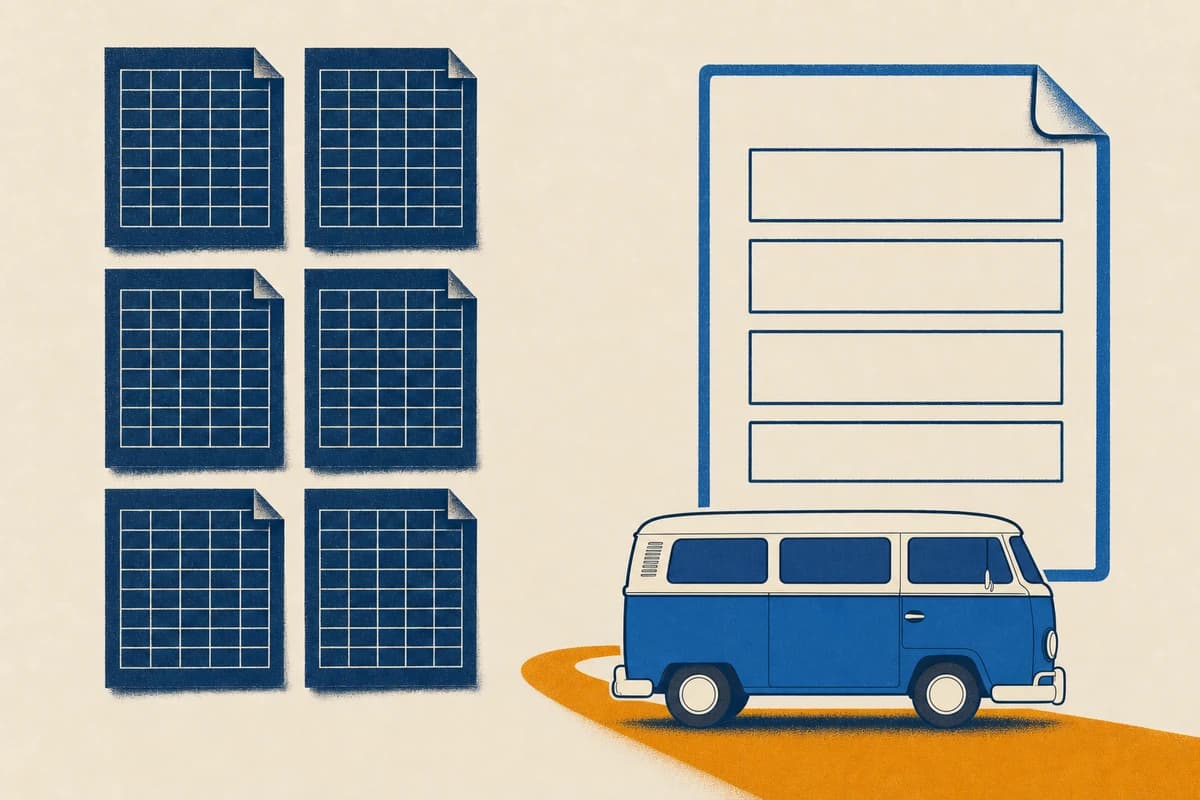
Bring the idea, the spreadsheet or the prototype you built yourself. We'll take it the rest of the way to production.

You can already see it.

You've described it in a meeting, sketched it on a whiteboard, and built a version of it in a spreadsheet at 10pm. Then this happens.

THE QUEUE.

Your idea waits in an IT backlog behind everything else, and comes back as a spec that lost the point.

THE DECK.

A discovery phase runs for a month and hands you slides, a roadmap and a proposal for another phase.

THE DEMO.

It looked great in the meeting. It never touched your data, your systems or production.

A quarter goes by and you explain it again. That gap, between knowing what you want and having it, is the whole problem.

WORKING SOFTWARE, NOT A REPORT.

Not a roadmap. Not a phase two proposal. Software your team opens on Monday and uses to do the actual job.

We named the company The AI Struggle Bus because we've been on it. We've watched people who knew exactly what their business needed hand the idea to someone else and get something worse back. So we close that distance, starting from whatever you already have.

The AI Struggle Bus, front view

Built in your systems

Your repo, your data, your tools. We work where your business already runs, not inside a platform of ours.

Senior engineers who build with AI

A small senior team, using AI tooling every day. No handoff to juniors and no layers between you and the people writing the code.

Yours from the first commit

The code, the docs and the training live on your accounts. No portal of ours to log into and no licence to keep paying.

Can you build it yourself with AI?

Then do. A prototype you made is the best spec we'll ever get.

We're for the part after the prototype, when it has to run inside your business every day and not just on your laptop.

Connected to the real systems

Your ERP, your 3PL, your CRM, the portal with no API. The prototype used a sample file. Production has to talk to all of it.

Built to hold up

Messy data, edge cases, logins, permissions, tests and monitoring. The unglamorous parts that decide whether it still works in six months.

Handed to your team

Documentation that regenerates from the commits, training for the people who use it, and a repo your own developers can pick up.

How it works

Three steps, and none of them is a discovery phase.

Book a call

Send the sketch, the spreadsheet, the screenshot or the prototype. However rough. You don't need a spec.

A straight answer on what we'd build first and how long it takes

A small senior team building with AI works in your repo from the first commit, so the first working version lands in your systems in weeks, not quarters.

Working software doing the actual job, with your data

Keep going month to month while there's more to build, or take the keys. Leave any time and keep everything.

The code, the docs and the training, on your accounts

You keep the keys

Everything we build is yours from the first commit, and we're month to month because we'd rather earn next month than lock up your year.

  • Your repo. The code lives in your repository, on your accounts, from the first commit. Not ours.

  • Your spec. We build what you described, and when it changes, the plan changes with it.

  • Docs that stay current. Documentation regenerates from the commits, so it's accurate the day you decide to run it yourself.

  • Leave any time. Stop whenever you want. Nothing breaks and nothing gets taken away.

Proof

They knew what they wanted. Here's what got built.

2 minutes
for a job that took five days

One operator at a consumer brand

Six spreadsheets, kept alive by hand. We replaced the whole ritual with a single form. The person who used to do it now spends that week on the part of the job that needs a human.
1 week
for a fix planned to take months

A direct selling company, mid rollout

They called on a Friday with a deployment coming apart. We were connected to their platforms on Saturday, and the fix that had been planned for months was done inside a week.

3.5 hours
back every day, live in 21 days

The operations team at an ecommerce company

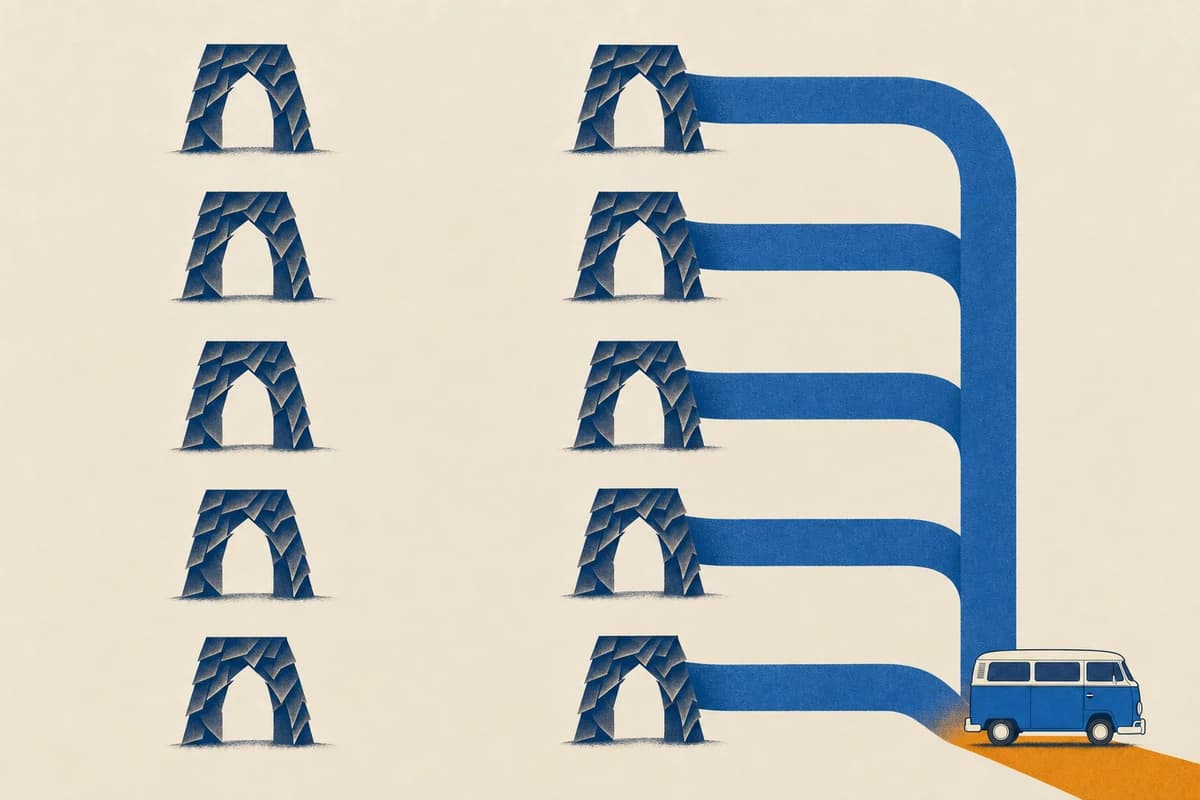
Every morning started with logging into five 3PL and warehouse portals, most with no API. We connected all five, showed them where shipments were going wrong, and handed over the dashboard and the keys.

Rather hear it from a client? Ask for a reference call with someone we're building for right now.

Your stack

We work in the tools you already run

These are the platforms we build on and connect to most. If yours isn't here, we'll connect to it anyway.

OpenAIOpenAI
AnthropicAnthropic
GeminiGemini
PerplexityPerplexity
AWS BedrockAWS Bedrock
AI FoundryAI Foundry
VercelVercel
SupabaseSupabase
RedisRedis
GitHubGitHub
GitLabGitLab
n8nn8n
StripeStripe
QuickBooksQuickBooks
ShopifyShopify
SlackSlack
NotionNotion
AirtableAirtable
HubSpotHubSpot
SalesforceSalesforce

What people bring us

Six kinds of work we build most often, each with real client work behind it.

Data Aggregation

Stop logging into five different portals. We pull data from carriers, suppliers and platforms into one place your team trusts.

Explore Data Aggregation

Workflow Automation

The spreadsheet ritual, the approval chain, the copy and paste between systems. Turned into software that runs on its own.

Explore Workflow Automation

Research & Content

Research, reports and first drafts in your voice, so your people spend their time on judgment instead of gathering.

Explore Research & Content

Document & Compliance

Extraction, review flags and audit trails for the documents your team reads line by line today.

Explore Document & Compliance

Inventory & Pricing

Stock and price visibility across every channel and location, instead of a spreadsheet someone updates on Fridays.

Explore Inventory & Pricing

Team AI Enablement

Help your own people prototype the tools they need, then we make the good ones production grade.

Explore Team AI Enablement

Or another quarter of this

Another quarter of spreadsheets. Another spec. Another vendor with another deck. And the idea stays in your head.

Or it exists

Your team uses it. It does more than you scoped, because once the thing exists it's cheap to make better. The docs write themselves from the commits. And you own every line of it.